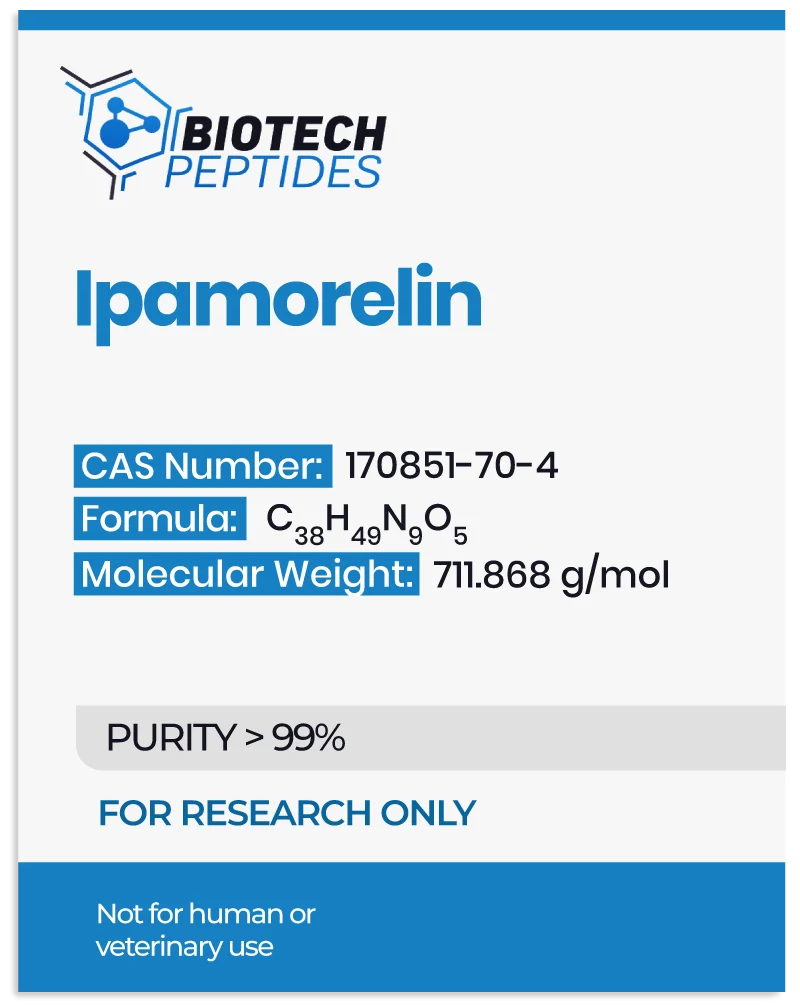
Each compound is handled with precision and third-party verified to support consistent research quality
Its a standard that is fundamentally incompatible with the illicit use of these substances for performance enhancement
Key Nutrients in Detoxification and Protection Antioxidants - reduce xenobiotic-induced oxidative stress Vitamin C - citrus, peppers, berries Vitamin E - nuts, seeds, olive oil Polyphenols - berries, coffee, tea, dark chocolate Carotenoids - carrots, leafy greens, tomatoes Cofactors for Detox Enzymes - critical for cytochrome P450 and Phase II pathways: B vitamins Magnesium, Zinc, Iron Amino acids - glycine, cysteine, methionine Food sources include: Meat, eggs, poultry Legumes Leafy greens Whole grains Nuts and seeds Glutathione Support - glutathione is one of the bodys most important endogenous antioxidants Protein - adequate intake (especially cysteine-rich foods - poultry, fish, eggs, beef, pork) Whey protein Allium and cruciferous vegetables Hydration & Electrolytes - necessary for renal elimination of xenobiotic metabolites Dehydration = reduced clearance of toxins Dietary Fiber - promotes binding and elimination of transformed xenobiotics in the GI tract Commonly under-consumed, slowing excretion Anti-inflammatory dietary patterns - mediterranean-style diets high in fruits, vegetables, legumes, olive oil, seafood, and whole grains reduce systemic inflammation associated with toxic exposures
Bonis S
Zhao et al., 2023)