Heres how they work together: In short, combining 5-Amino-1MQ with GLP-1 therapy offers a comprehensive approach to weight management by addressing multiple aspects of fat storage, insulin sensitivity, and energy
doi: 10.1016/j.clinbiochem.2012.01.016

Related Topics KLOW Dosing Calculator The 4-peptide variant with KPV for reactive or post-procedure skin Injury Recovery Peptide Protocol Five-compound structural repair framework including NAD+ metabolic support BPC-157 + TB-500 Wolverine Stack Simpler injury recovery stack centered on the two core repair peptides BPC-157 Guide Standalone dosing, pharmacokinetics, oral vs injectable TB-500 / TB-4 Guide Fragment vs full-length, CoA verification, threshold-saturation mechanism GHK-Cu Guide Copper peptide mechanism for skin and matrix quality NAD+ Guide Cellular energy support for intensive repair cycles Peptide Reconstitution Guide General bacteriostatic water and syringe handling Where to Inject GLOW Peptide Near-injury vs systemic injection routing References GHK-Cu tissue-organization signaling and copper-peptide complex TGF-/Smad matrix organization, lysyl oxidase cross-linking, SOD/catalase antioxidant expression, copper coordination chemistry, 4,000+ gene modulation: PubMed 29986520
Apply gentle pressure with gauze immediately after
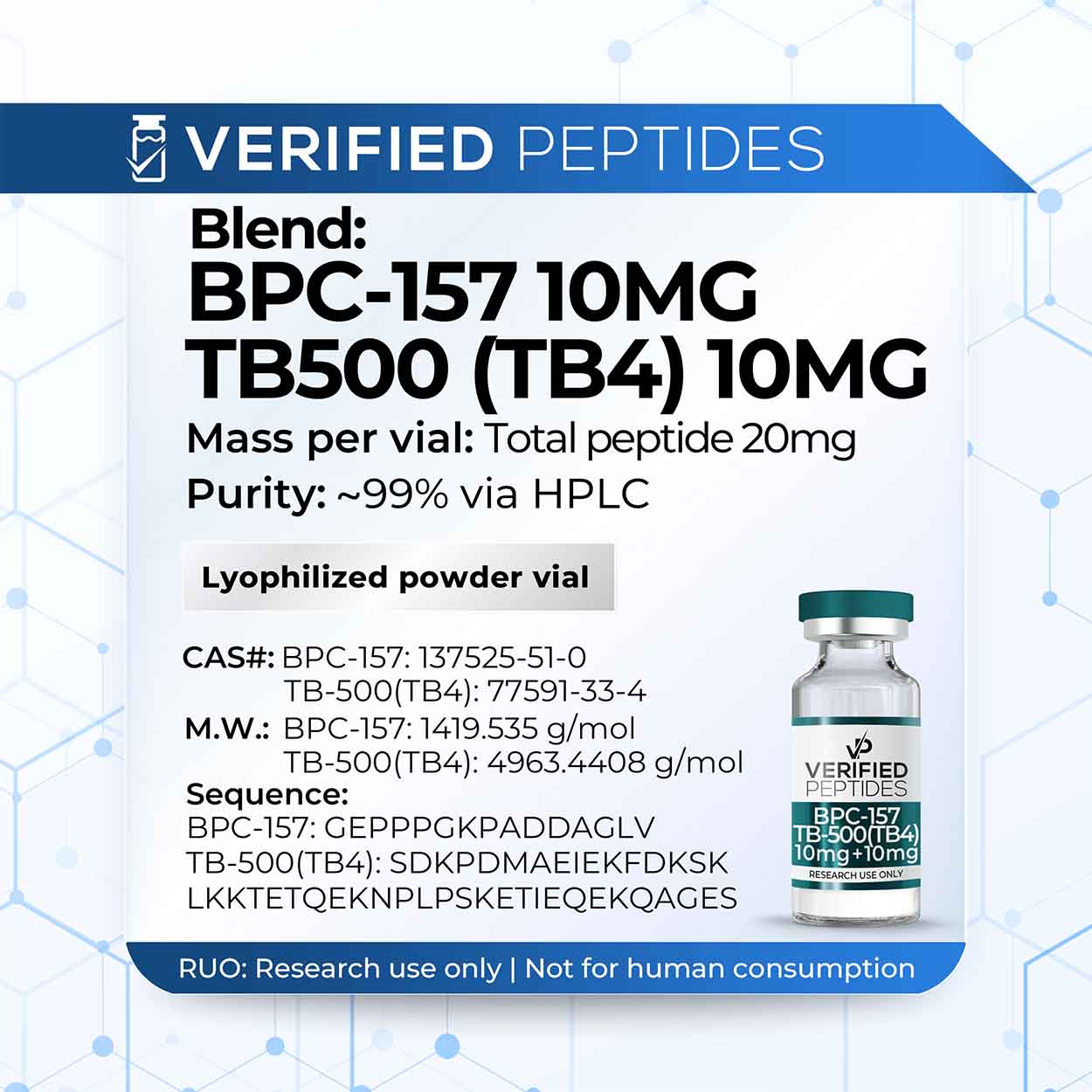
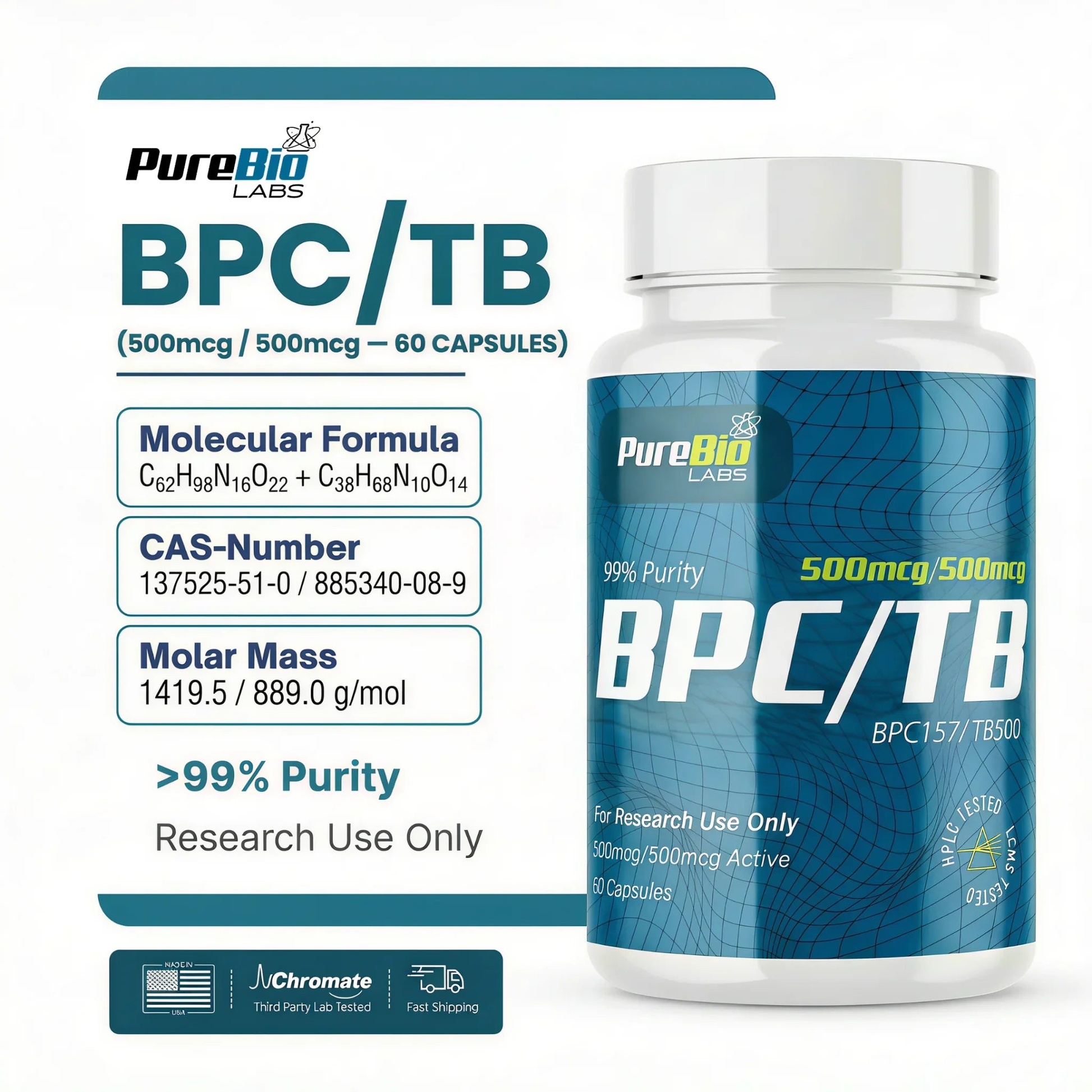
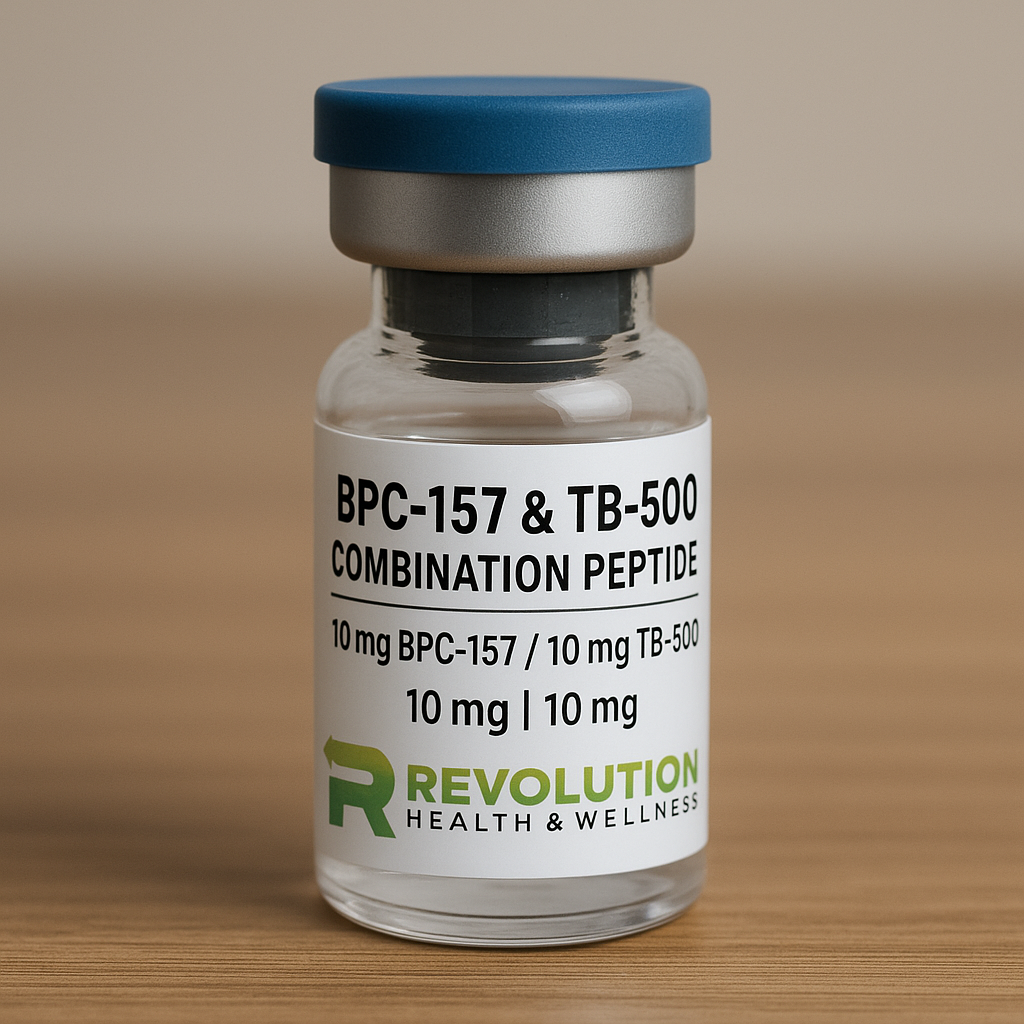
BPC-157 + TB-500 FAQ Clients at Intra-V commonly explore this combo for concerns like: Tendon and ligament injuries (rotator cuff, Achilles, elbow tendinitis, knee/hip issues) Joint pain, stiffness, and mobility limitations Muscle strains and recurring tweaks from training Post-workout recovery and soreness that lingers too long Overuse injuries from sports, CrossFit, running, golf, or physically demanding work Post-procedure or post-surgery recovery support (when approved by your provider) Tightness and reduced flexibility that limits performance or daily movement This stack is popular with athletes, active adults, and anyone whos tired of managing symptoms and wants to focus on supporting the bodys actual repair process