59% Increase in total sleep time vs placebo (controlled study) 37 mo Normal sleep maintained after the last dose (chronic insomniacs) 1977 Year DSIP was first isolated 0 Documented dependence or withdrawal in clinical studies Studies show increased delta wave sleep Research on cortisol normalization Trials in chronic pain patients Demonstrated stress-reducing effects What to expect Your DSIP timeline
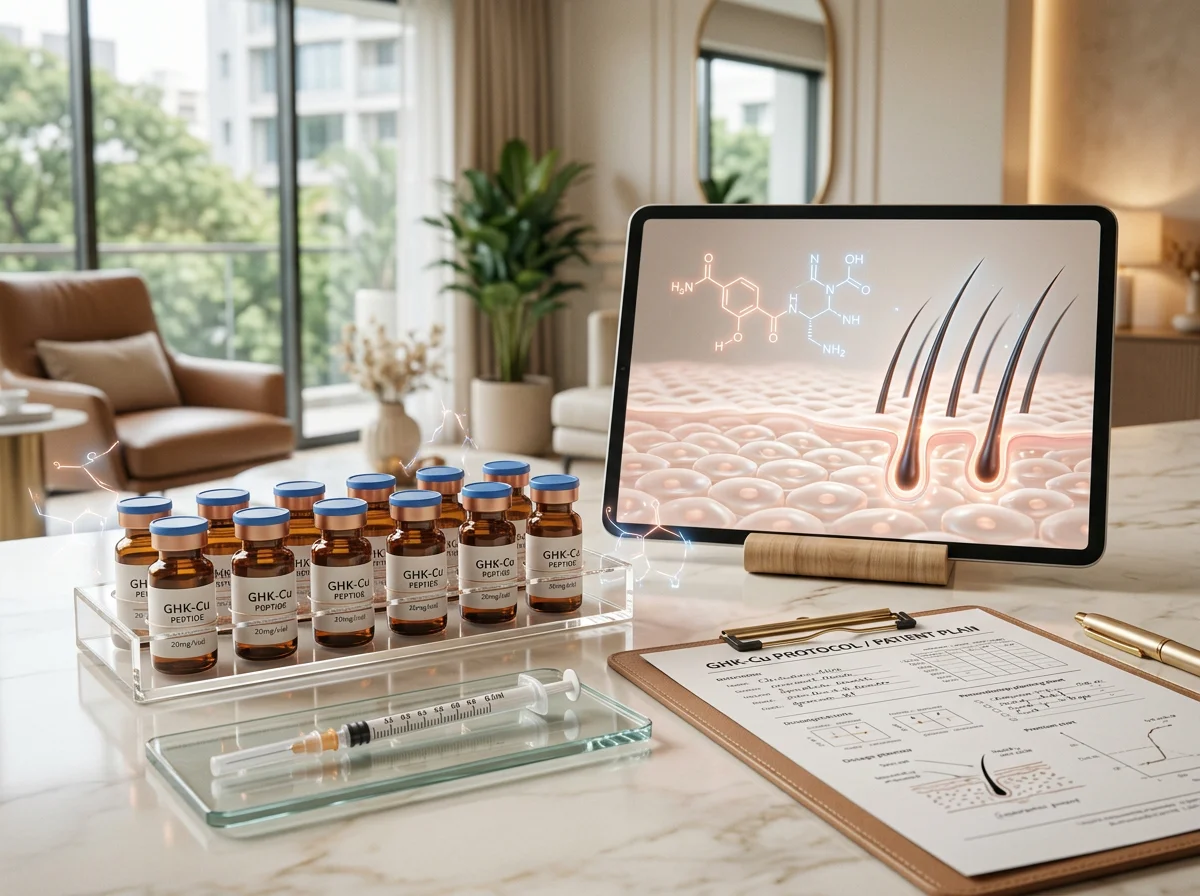
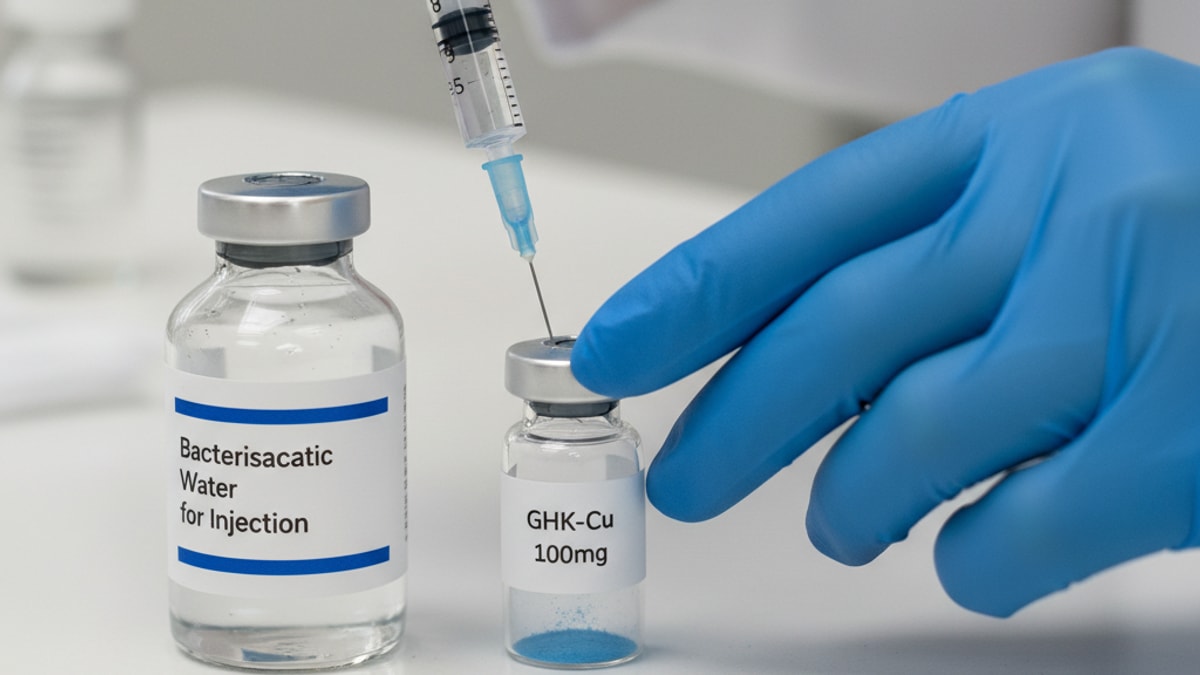
Subcutaneous Injection Sites : Abdomen (2 inches from navel) Upper thighs Upper arms Near injury site (within 2-3 inches for localized healing) Intramuscular Options : Directly into affected muscle groups Shoulder deltoids Gluteal muscles Injection Equipment : 29-31 gauge insulin syringes 0.5-1ml capacity 12.7mm (1/2 inch) for subcutaneous 25mm (1 inch) for intramuscular Reconstitution Protocol BPC-157 typically comes as lyophilized powder requiring careful reconstitution: Use bacteriostatic water (0.9% benzyl alcohol) Add 2ml bacteriostatic water to 5mg vial Results in 2.5mg/ml concentration Gently swirl, avoid vigorous shaking Store reconstituted solution refrigerated Storage Requirements Unreconstituted : Room temperature, away from light and moisture Reconstituted : Refrigerate at 2-8C (36-46F) Stability : Use within 28 days of reconstitution Transport : Keep cool, avoid temperature extremes Optimal Timing and Administration Strategies Timing for Maximum Effectiveness Split Dosing Benefits : Dividing daily dose into 2-3 administrations maintains more consistent peptide levels and enhances healing throughout the day
Studies by Semenova et al
Studies suggest that BPC-157 peptides promote: Tissue repair in muscles, tendons, ligaments, and skin Anti-inflammatory effects that reduce swelling and pain Gut health improvements , potentially aiding conditions like leaky gut, ulcers, and IBS Neuroprotective properties that may support brain function and recovery from injury As a healing peptide, BPC-157 peptide therapy is widely used among athletes, patients recovering from surgery, and those looking to improve overall wellness
Semaglutide causes nausea through two primary mechanisms involving GLP-1 receptor activation