Patellar tendonitis usually appears later, in late teens or adulthood, and pain location is more precise within the tendon
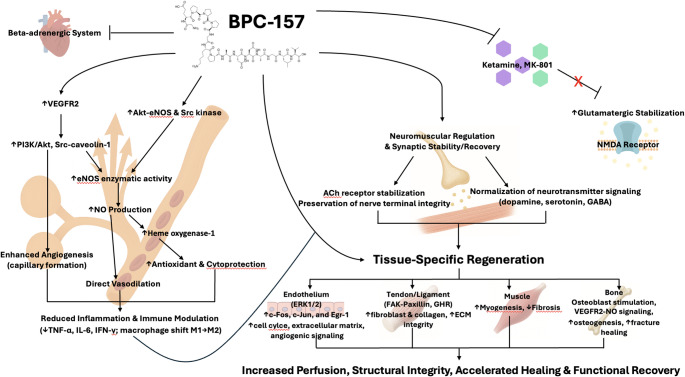
Similarly the distance between the furcation and the resorbed interradicular bone surface was increased by the ligature, and this was partly reversed by BPC 157
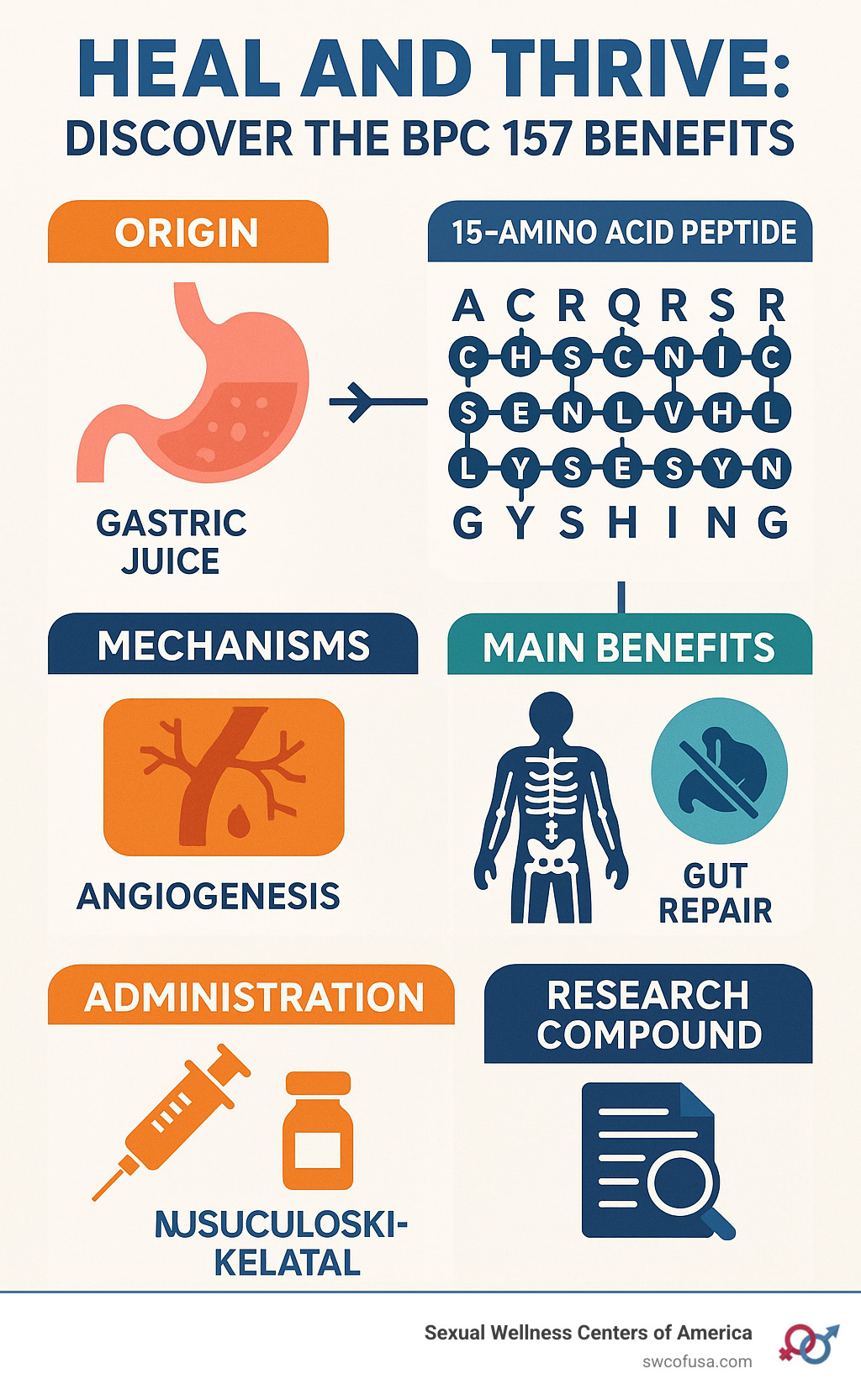
Praised by athletes, weekend warriors, biohackers, and patients recovering from injury, BPC-157 has earned a reputation as the get-back-to-life molecule and for good reason
GHK-Cu has good solubility but extremely concentrated preparations may not fully dissolve
The available evidence consists primarily of animal studies and limited early-phase human trials, with no published phase III clinical trial data demonstrating efficacy in inflammatory bowel disease (IBD).[1][2] The literature describes BPC-157 as a stable gastric pentadecapeptide that was tested in phase II clinical trials for inflammatory bowel disease (referenced as PL 14736), with reports indicating it was "safe" and had "no side effects." However, a 2025 review emphasizes that BPC-157 "has not been approved for use in standard medicine by the FDA and other global regulatory authorities due to the absence of sufficient and comprehensive clinical studies confirming its health benefits in humans."[1][3][2] The preclinical evidence is extensive but limited to animal models