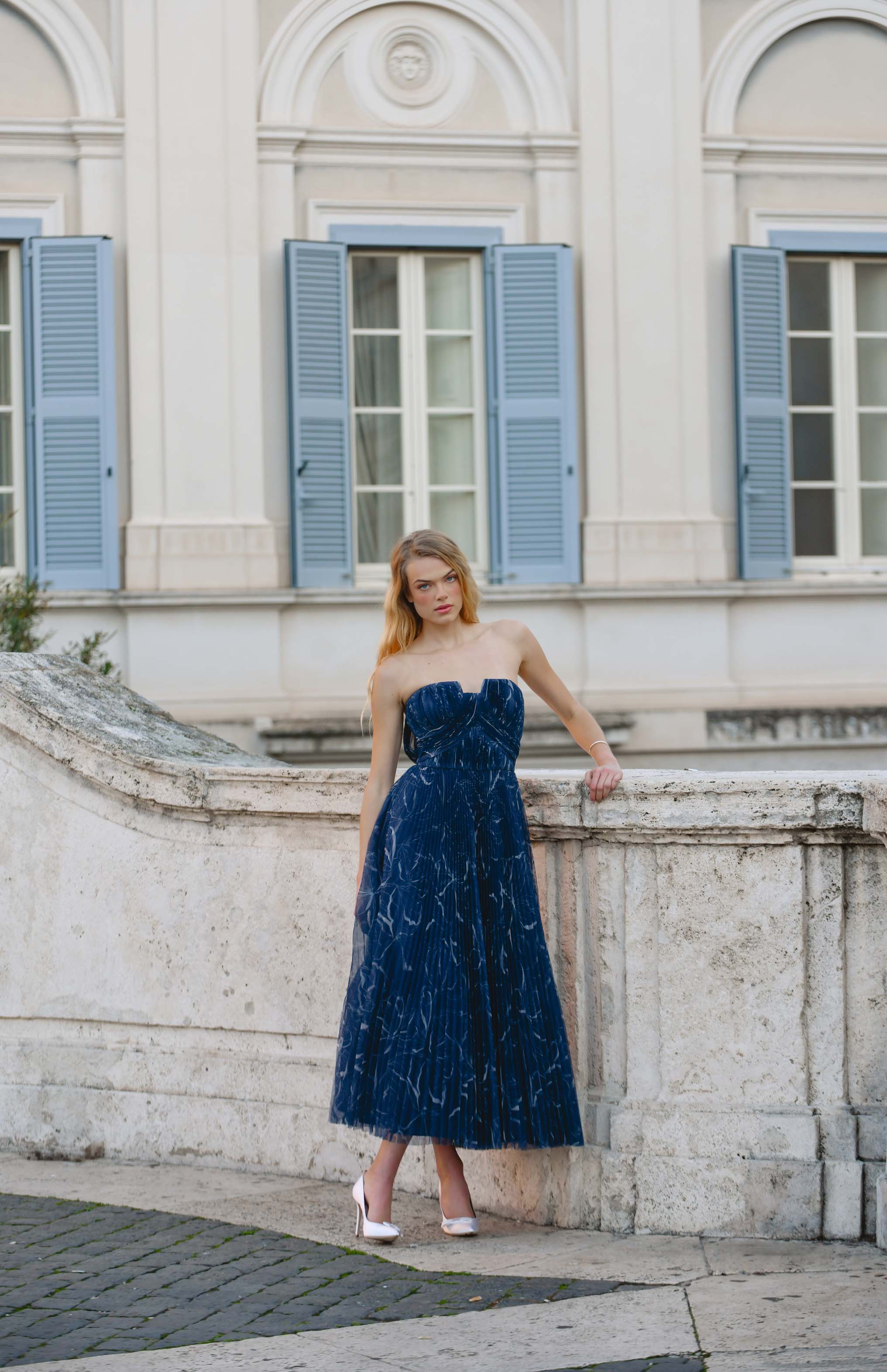
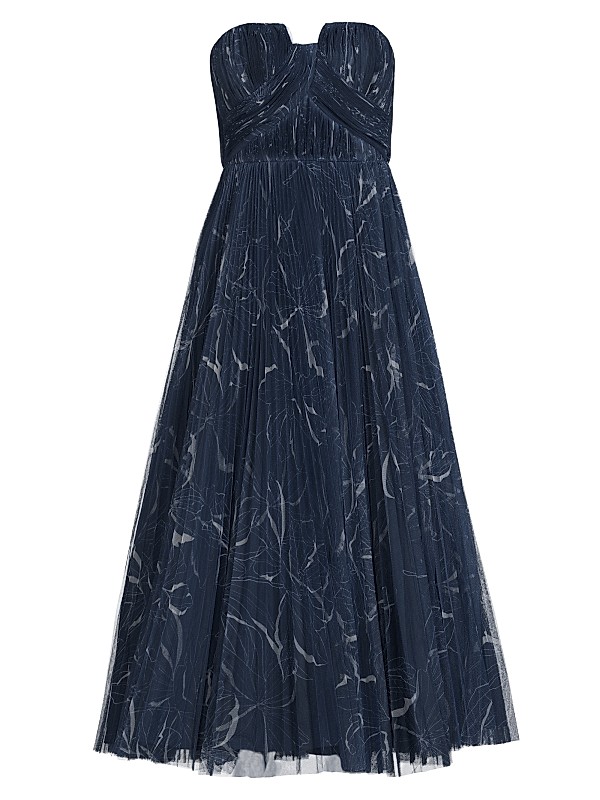
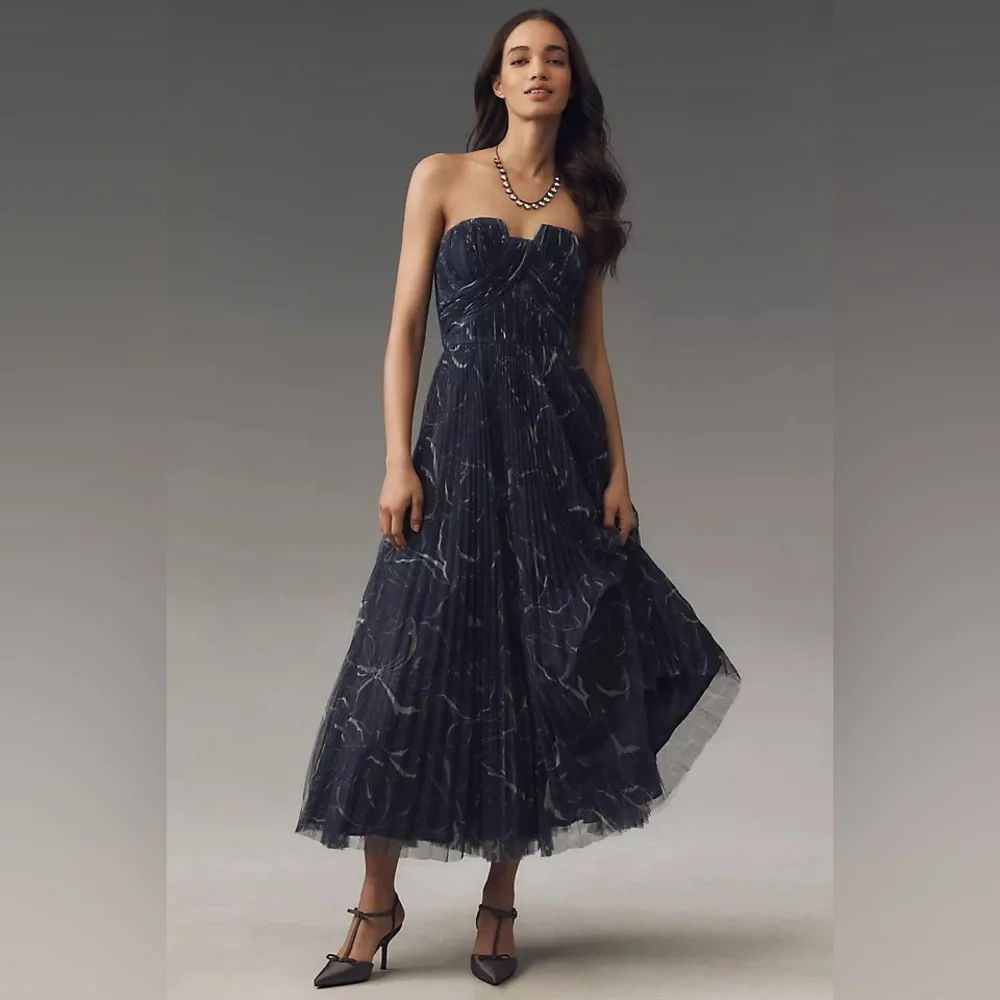
This dress is also available in a full-length option
Black Tie Attire for Women Embracing the black tie dress code allows for a confident and stylish expression at any formal gathering

[1] The seven main traditional regions are: Transylvania or Ardeal The western plains: Lower Mure Plain, Cri Plain (Criul Negru, Criul Alb, Criul Repede), Lower Some Plain (Oa Country) Banat, including Timi Meadow and Cara-Severin Wallachia, including Western Wallachia called Oltenia and Eastern Wallachia called Muntenia The Lower Danube, including Brgan, Northern Dobruja and southern Moldavia Moldavia, including Bukovina, Western Moldavia, Eastern Moldavia also called Bessarabia and since 1991 Republic of Moldova including Transnistria Balkans or Romanians of the Balkan Peninsula, which can be further subdivided into four areas: The Daco-Romanians along the borders: Southern Dobruja also called Cadrilater between 1913 and 1940 (Bulgaria), the Timok Valley (northwestern Bulgaria and eastern Serbia), Vojvodina/Serbian Banat and Ukraine (especially around Chernivtsi and Odessa) Istro-Romanians in Istria, Croatia Macedo-Romanians (or Aromanians) in Albania, Bulgaria, Greece and North Macedonia Megleno-Romanians in Greece and North Macedonia Transylvania Oa Country Maramure Criana Banat Wallachia (Oltenia) Wallachia (Muntenia) Western Moldavia Eastern Moldavia (Bessarabia) Bukovina Genesis and evolution of Romanian traditional costume [edit] First mentions of Romanian clothing [edit] The Romanian popular costume finds its roots in the part of Thracian, Dacian and Getae ancestors and resembles that of the peoples of the Balkan Peninsula, of course with differences consisting of decorative and colourful details
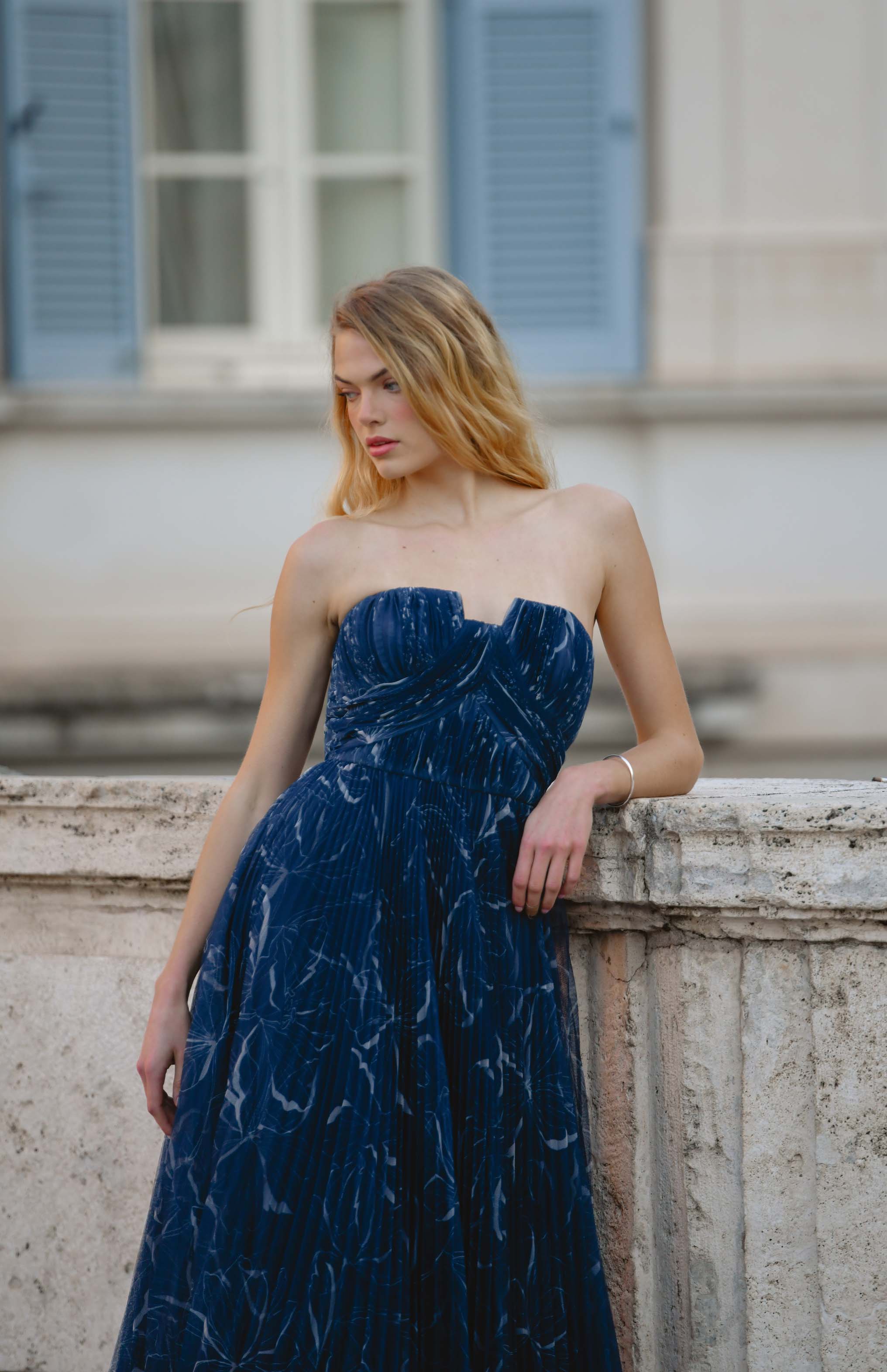
Materials / Fabrication Delicate chiffon fabric Asymmetrical hem Soft blue hue Understated draping Recommended Care Hand wash in cold water using a gentle detergent
Read more Ademt fijn, ik draag hem zowel in de zomer als winter graag