From Zagreb to Podgorica through Sarajevo and Belgrade, around 15 million people speak the language that was standardised in the 19th and 20th centuries and was widely known as Serbo-Croatian during the communist Yugoslav era, written in either the Latin or Cyrillic alphabet.But after the bloody break-up of the Yugoslav federation in the 1990s, nationalist elites tried to widen the linguistic gap between the newly-born countries.- New words, new letters -Croatia introduced words such as "zracna luka" instead of "aerodrom" for airport, while a spokesman is a now a "glasnogovornik" (literally "loudspeaker") instead of "portparol".Montenegro, after declaring independence from Serbia in 2006, created two new letters in its alphabet.In impoverished Bosnia, still deeply ethnically divided more than 20 years after the war that left 100,000 people dead, authorities circulate documents in three, often identical versions -- a significant cost for the country of 3.5 million people.Meanwhile, in Serbia's southwestern Muslim-majority region of Sandzak, a local court had to hire Bosnian translators in 2015 due to defendants' claims that they didn't understand Serbian.But not all attempts at changing the language have succeeded -- the Croatian effort to replace "televizija", the word for television, with "dalekovidnica" (distant vision), was given up long ago
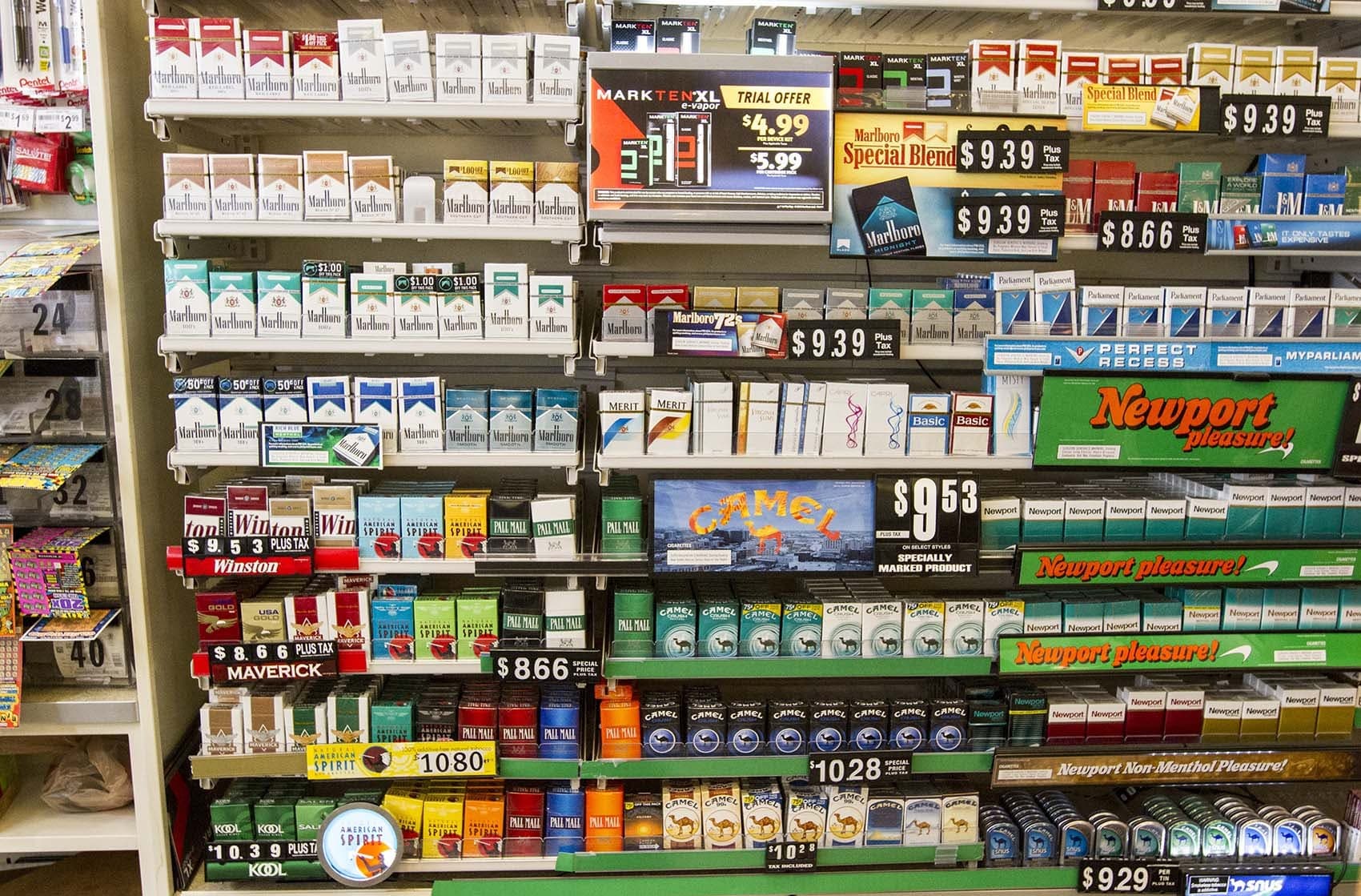
These shifts are not only a response to consumer demand but also to evolving legislation in major markets like the EU, Japan, and North America
In a written statement, Myers stated, Raising the tobacco age to 21 is a positive step, but it is not a substitute for prohibiting the flavored e-cigarettes that are luring and addicting our kids. Sources: Center for Disease Control
I choose not to smoke
[22] He was named Gatorade Circle of Champions National Player-of-the-Year and Columbus (Ohio) Touchdown Club National Offensive Player-of-the-Year in 1993