Integrative strategies that complement peptide therapy include gut barrier repair with glutamine, zinc carnosine, and probiotics, mast cell modulation with quercetin, vitamin C, and DAO support, nervous system repair with magnesium threonate, omega-3s, and vagal-tone therapies, and anti-inflammatory nutrition using whole-food diets rich in polyphenols and minerals
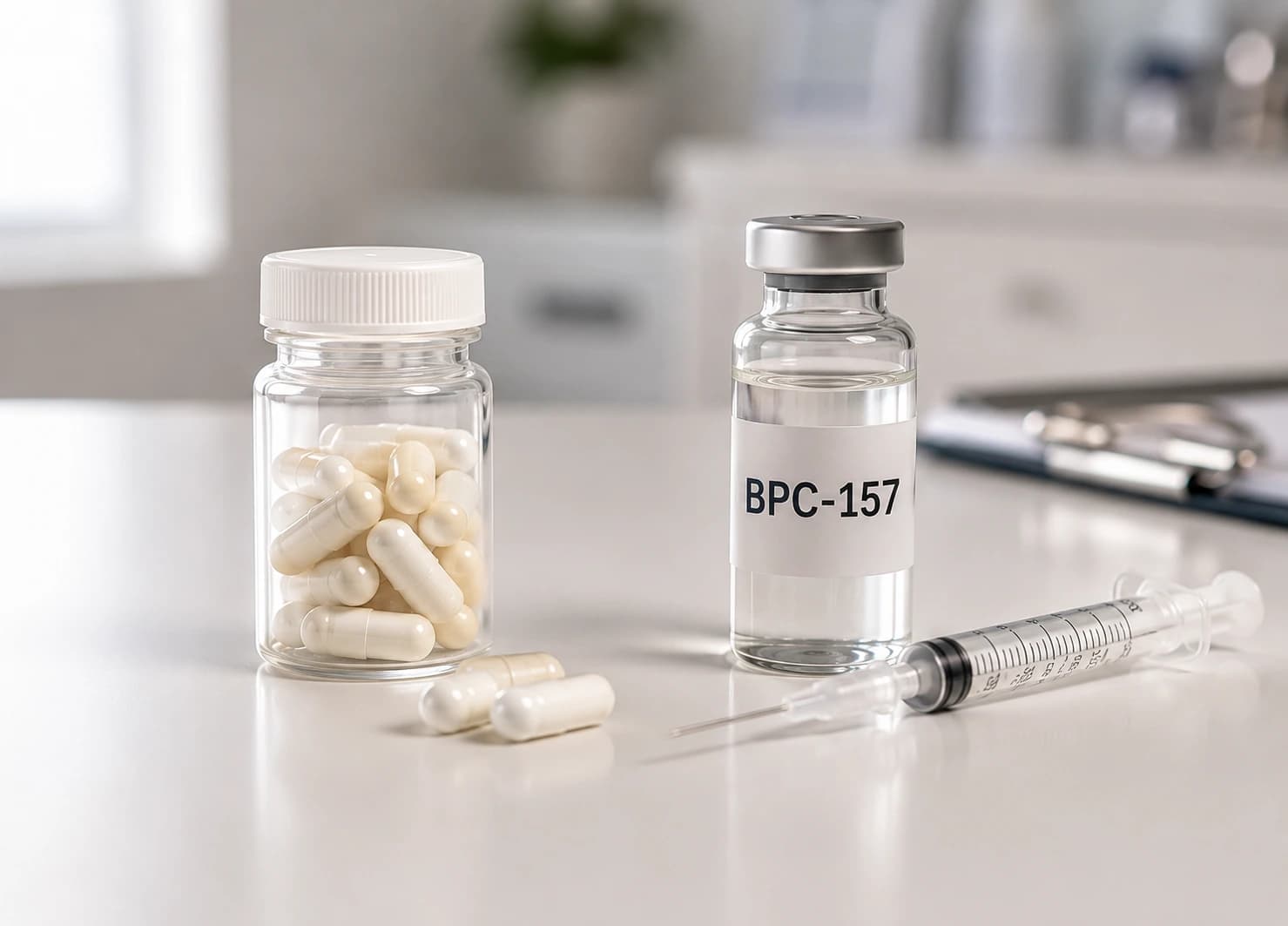
How BPC-157 Acetate Spray Works for Tissue Repair BPC-157 has the remarkable ability to accelerate the healing process
Alhalabi H, Borschel L, Le Foll C, Thomas A, Bally L, Thevis M
Dosing Parameters in Clinical Settings Dose Range and Route Selection Preclinical dose-response studies demonstrate BPC-157 efficacy across an exceptionally wide dose range, from 10 nanograms per kilogram to 10 milligrams per kilogram, spanning six orders of magnitude

Comparative Peptide Research Because GHK-Cu is a defined synthetic copper-peptide complex, it is frequently included in comparative peptide research evaluating: Peptide structural stability Molecular interaction modeling Peptide solubility characteristics Comparative peptide synthesis behavior Analytical performance of metal-peptide complexes Storage & Handling Guidelines Recommended Storage Conditions Store refrigerated at 28C unless otherwise specified Protect peptide compounds from light and moisture Keep containers sealed until laboratory use Avoid repeated freeze-thaw cycles after reconstitution Laboratory Handling Best Practices GHK-Cu peptide should be handled using appropriate laboratory protocols including sterile handling techniques and controlled environmental conditions to maintain experimental consistency and sample integrity