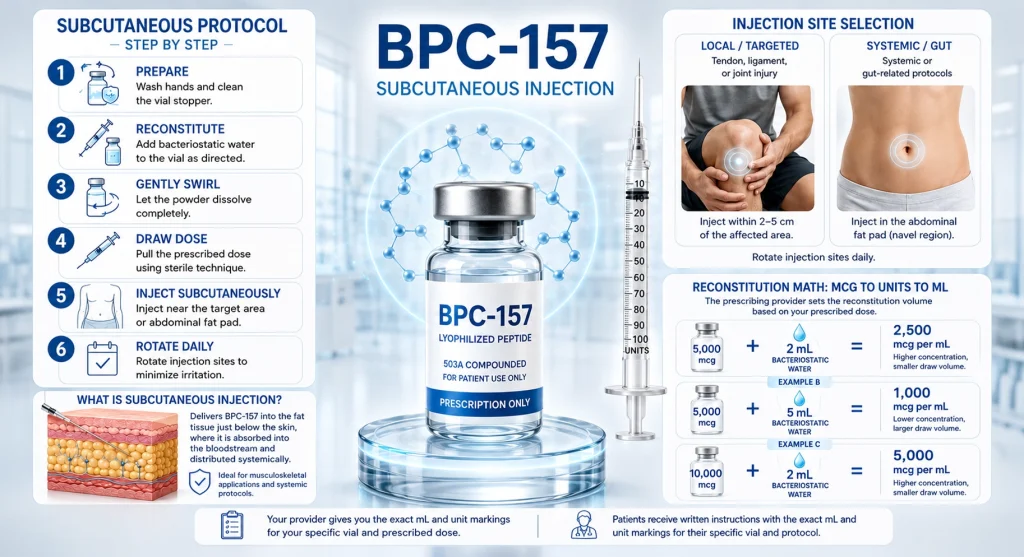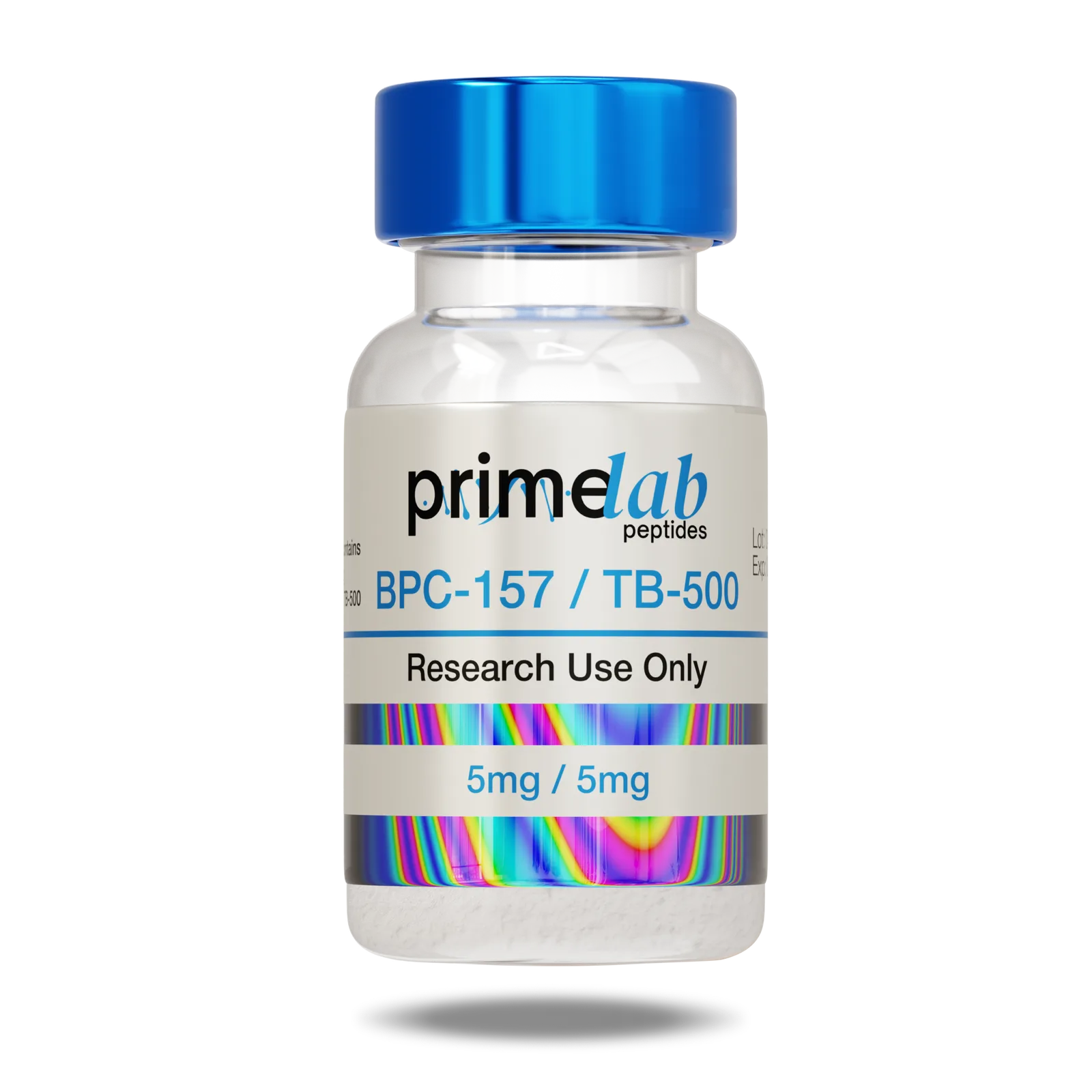
29 gauge, 1/2 inch: the standard for most peptide protocols, including BPC-157, CJC-1295/Ipamorelin, and GHK-Cu 27 gauge, 1/2 inch: acceptable alternative, slightly wider bore makes drawing viscous solutions easier U-100, 1mL capacity: the correct syringe volume for most peptide doses, with clear graduations for accurate measurement Bacteriostatic Water vs Sterile Water: Why the Distinction Matters Lyophilized peptides (the powdered form dispensed by compounding pharmacies) require reconstitution before injection
The skill is not gathering more information, but knowing what truly changes decisions and outcomes over time
A FOXO4 Inhibitory Peptide Limits Chemotoxicity in Mice
Continue watching as Emily Kauffeld, MSN, APRN, FNP-C, NP-C, a nurse practitioner in the Wellness Center, discusses the benefits and process of recieving Vitamin B12 shots
Although reconstitution itself is only one step within the overall peptide handling process, it works together with proper storage, documentation, and laboratory technique to support reliable research outcomes