Malta, TM, Sokolov, A, Gentles, AJ, Burzykowski, T, Poisson, LM, Weinstein, JN, Kaminska, B, Huelsken, J, Mishra, L, Lazar, A, Liu, Y, Zhang, W, Akbani, R, Broom, BM, Ju, Z, Kanchi, RS, Korkut, A, Li, J, Liang, H, Ling, S, Liu, W, Lu, Y, Mills, GB, Uppore Kukkillaya, AR, Zhang, J, Liu, X, Wang, L , Fregnani, JG, Reis, RV, Ajani, JA, Behrens, MC, Bondaruk, J, Broaddus, R, Czerniak, BA, Esmaeli, B, Fujimoto, J, Gershenwald, JE, Guo, CC, Logothetis, CJ, Meric-Bernstam, F, Moran, C, Ramondetta, LM, Rice, DC, Sood, AK, Tamboli, P, Thompson, T, Troncoso, P, Tsao, A, Wistuba, II, von Deimling, A
& Saunders, D
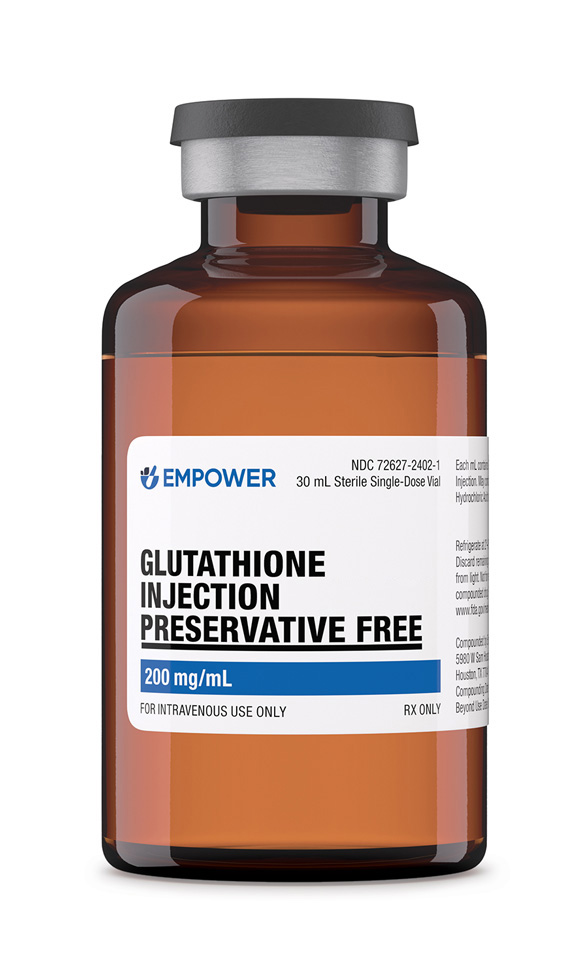
Liposomal Glutathione acts as a systemic shield, neutralizing oxidative stress and preventing mitochondrial fatigue, which allows for higher sustained workloads and faster recovery
Cross-sectional studies have shown that plasma and tissue glutathione concentrations decrease by approximately 10-15% per decade after age 45, and this decline is accelerated in conditions associated with chronic oxidative stress, including type 2 diabetes, cardiovascular disease, neurodegenerative diseases, HIV/AIDS, chronic liver disease, and chronic obstructive pulmonary disease (COPD) [2][3][10][11]
Research suggests glutathione contributes to reproductive health by protecting egg and sperm cells from oxidative stress