[1] [2] B12 functions as a cofactor in cellular metabolism, participating in the conversion of homocysteine to methionine and the metabolism of methylmalonic acid, both crucial for energy production
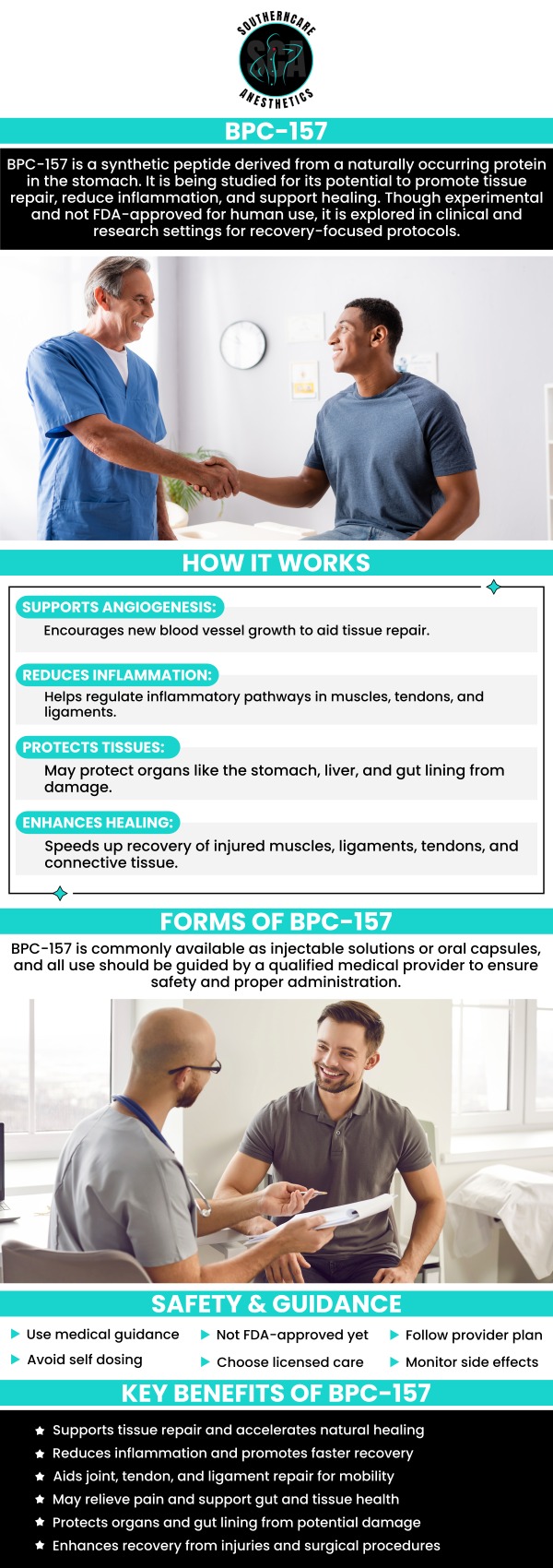
Common clinical goals for BPC-157 include: Supporting soft-tissue healing (tendons, ligaments, muscles, and fascia) after injury or overuse Promoting post-surgical recovery and tissue regeneration Reducing inflammation and associated pain in joints and musculoskeletal conditions Supporting gut lining integrity and symptoms related to gastric ulcers, IBS, or leaky gut Assisting recovery from sports-related injuries and enhancing exercise recovery Supporting blood flow to injured tissues to aid repair Adjunctive support for chronic pain related to tissue or nerve injury Addressing Common Misconceptions and Questions Surrounding BPC-157 Online discussions often include myths that can cloud understanding
It primarily works by promoting the formation of new blood vessels, a process vital for repairing damaged connective tissue
When caloric restriction is present, mammals synthesise less IGF-1 and its synthesis in the liver is refractory to GH stimulation [128130]
Our B12 injections are designed to help improve energy levels, boost metabolism, and enhance overall wellness