These simple yet effective measures reduce the risk of physical damage, leaks, and product loss during internal lab transport
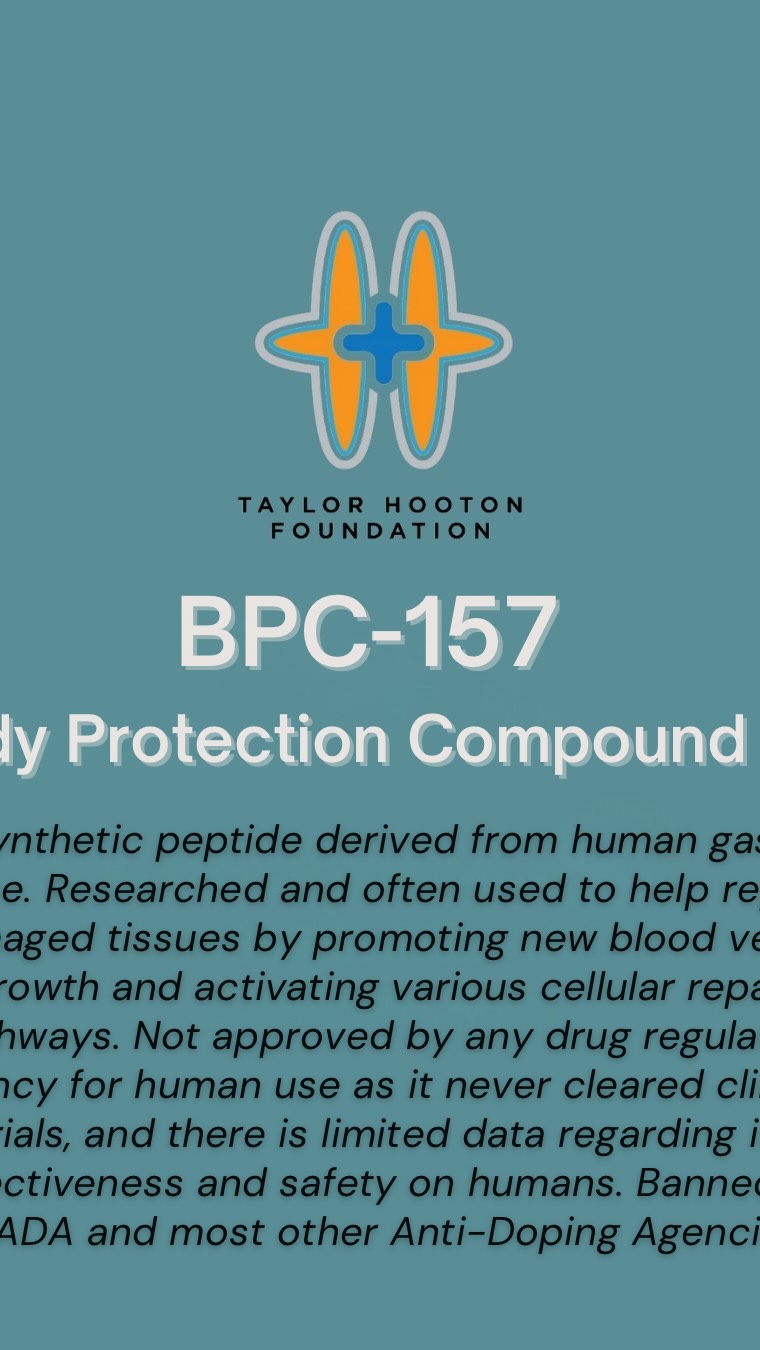
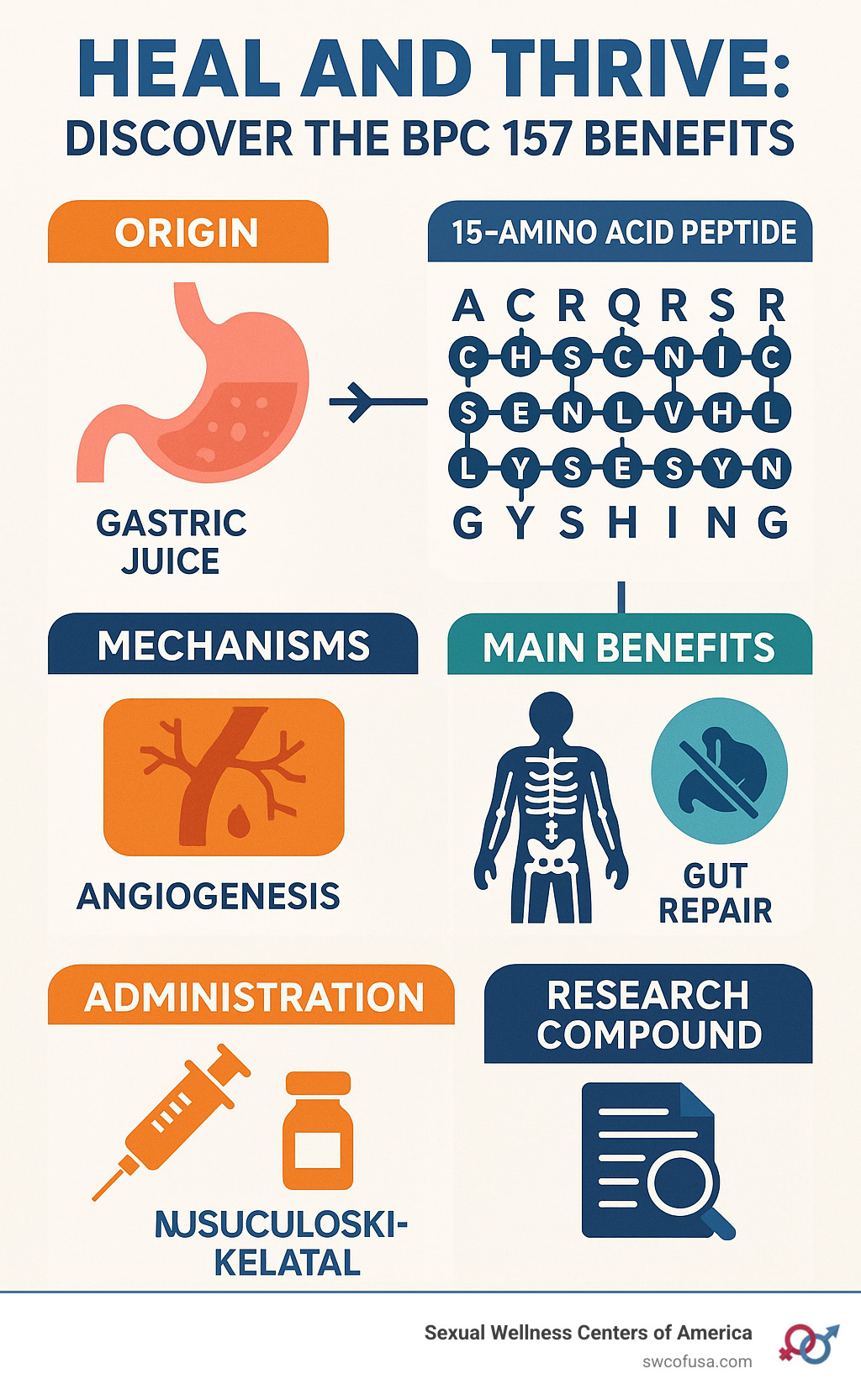
Due to these properties, BPC-157 continues to be studied across several areas of experimental biology, particularly in research focused on tissue repair, angiogenesis, and cellular recovery mechanisms
It is a bidirectional communication network involving the vagus nerve, the enteric nervous system, the immune system, and metabolic signaling pathways that physically connect intestinal health to brain function
Researchers often use this peptide blend to study: Cellular regeneration and repair mechanisms Tendon, ligament, and muscle tissue healing in vitro or animal models Peptide interactions and biological signaling pathways BPC-157 is a peptide derived from naturally occurring stomach proteins, while TB-500 is a synthetic peptide used in laboratory studies to investigate cellular migration, inflammation reduction, and tissue repair mechanisms
however, the largest cluster included only two mice from the 5A-1MQ-treated group switched from WD to LD