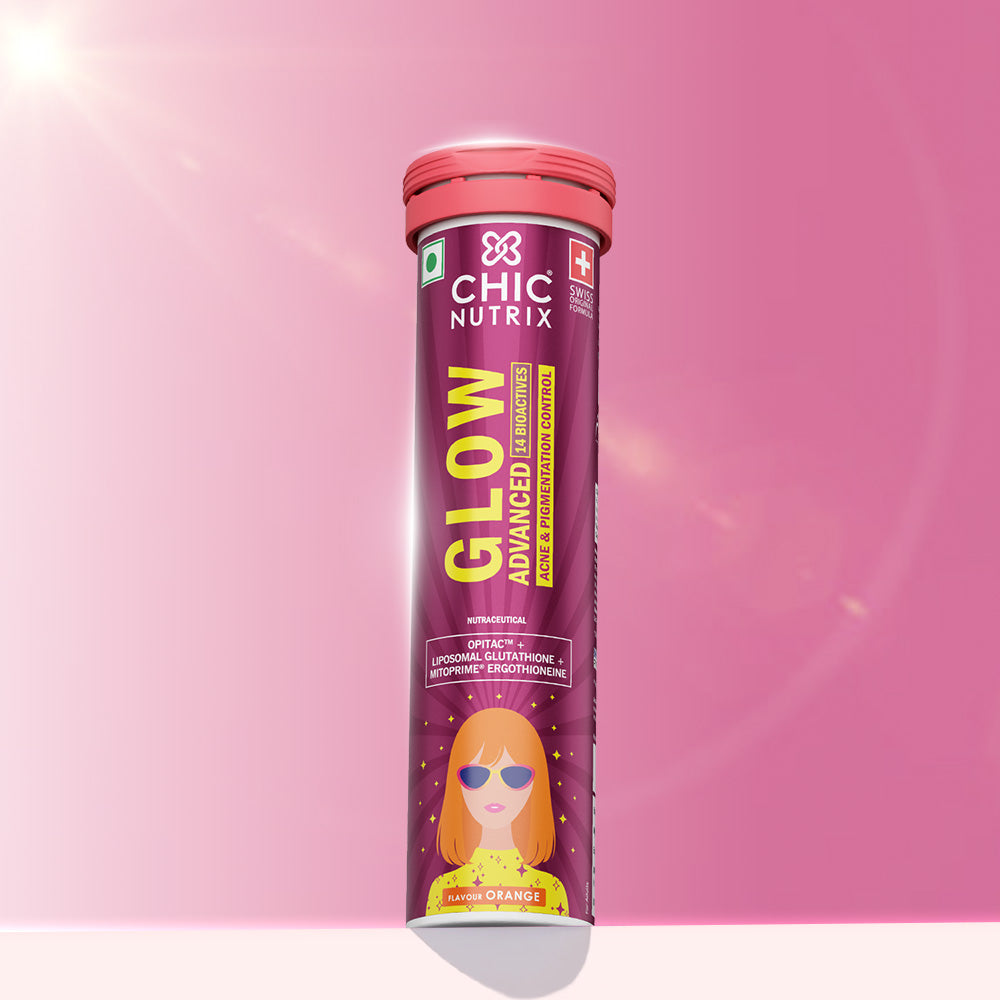
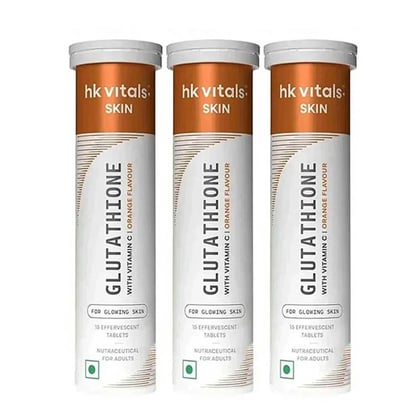
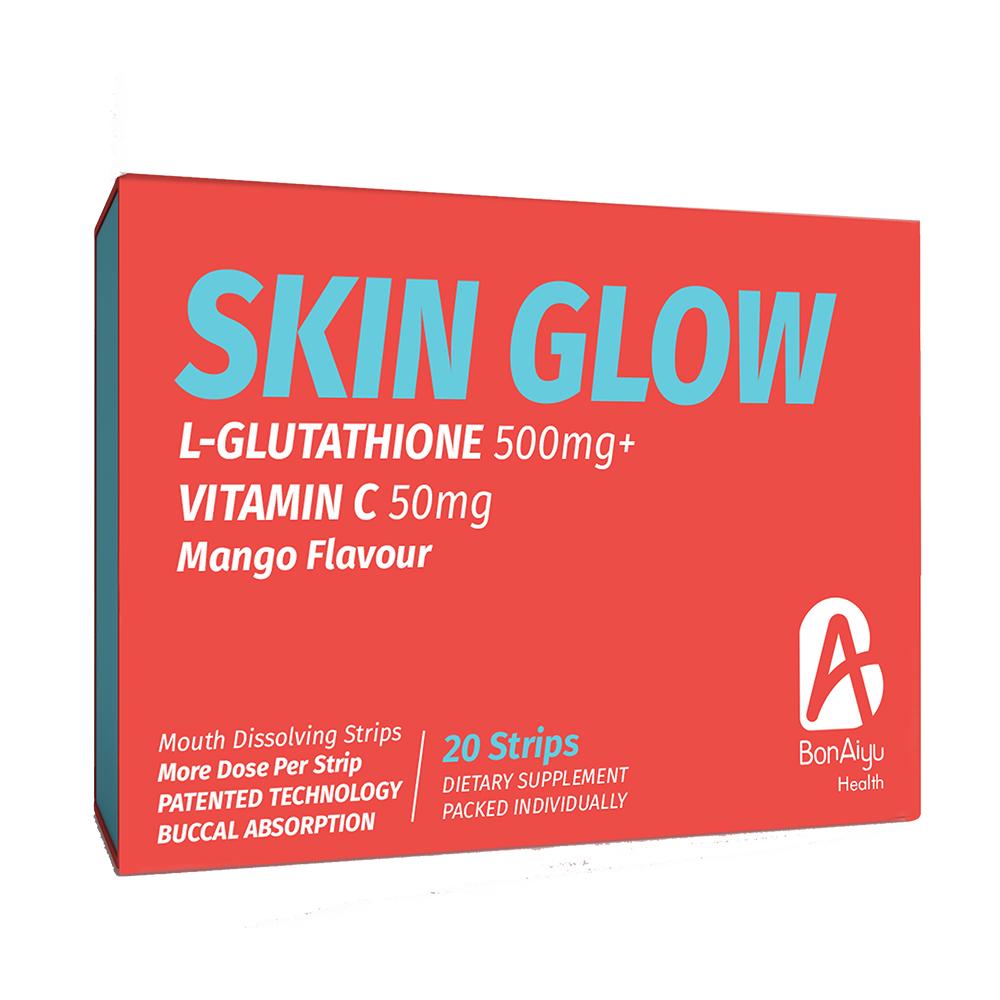
Combined is the most expensive approach but covers the widest range of effects
Possible clinical applications for elevated glutathione levels Neurology Parkinsons disease Alzheimers disease Seizures Multiple sclerosis Eye diseases Cataracts Macular degeneration Glaucoma Cardiovascular Prevent heart disease Prevent stroke Prevent atherosclerosis Prevent reperfusion injury Digestive system Inflammatory bowel disease Hepatitis Malnutrition Pancreatitis Peptic Ulcer Toxicology Certain drug overdoses Tobacco smoke, auto exhaust Pollutants including heavy metals, pesticides Prevents hearing loss from noise pollution Detoxifies many well-known carcinomas Infectious disease and immunology Anti-viral (AIDS, hepatitis, herpes, common cold, etc.) Bacterial Infection Certain autoimmune dysfunction Chronic fatigue syndrome Immunosuppression Cancer Cancer prevention Suppress tumor growth Eliminate Carcinogens, mutagens Retard oxidative damage to DNA Prevent wasting disease Ease side effects of chemo- and radiotherapy Pulmonary Break up mucus (esp

Liposomal Glutathione works by delivering glutathione in a phospholipid-based liposomal structure, which helps protect it from breakdown during digestion and supports better absorption into the bloodstream
Stimulation of stem cells: Research suggests that GHK-Cu can activate dermal papilla cells, the specialized cells at the base of the follicle that control hair growth and thickness
The April 2026 FDA action removes them from the Category 2 restricted compounding list effective April 23, 2026, and the FDAs Pharmacy Compounding Advisory Committee will review their compounding eligibility under 503A at its July 23-24, 2026 meeting