These injections are designed to provide a direct source of amino acids, which can be especially beneficial for individuals with deficiencies or specific health needs
Your data is always secure No credit card needed Cancel anytime Powered by SmartChurch: Book a demo, lets show you how it works.

Additional Monitoring May Be Considered In: Higher-frequency regenerative research protocols Long-duration experimental protocols Multiple concurrent regenerative or metabolic-support compounds Significant peptide-sensitivity research models Liver-function or copper-metabolismrelated investigations Research models involving copper- or zinc-balance investigations Avoid or Carefully Evaluate In Research Models With: Known hypersensitivity to peptide compounds Active severe systemic illness Severe uncontrolled metabolic or neurological conditions Active or suspected cancer-, tumor-, or abnormal proliferative research models Pregnancy or breastfeeding contexts Additional Research Considerations Because GHK-Cu is a copper-binding peptide, prolonged or higher-frequency research exposure may influence: Copper- and zinc-related biomarker pathways Oxidative-stress regulation mechanisms Skin-related and regenerative-response variability Tissue-remodeling and collagen-related signaling pathways Research protocols commonly investigate the inclusion of: Zinc supplementation Vitamin C supplementation alongside GHK-Curelated research models because of their involvement in: Collagen-related pathways Antioxidant-support mechanisms Skin-integrity and tissue-maintenance signaling Physiological-resilience pathways Research involving regenerative and tissue-remodeling pathways remains ongoing, particularly within broader investigations involving cellular-response, oxidative-stress regulation, and tissue-maintenance mechanisms
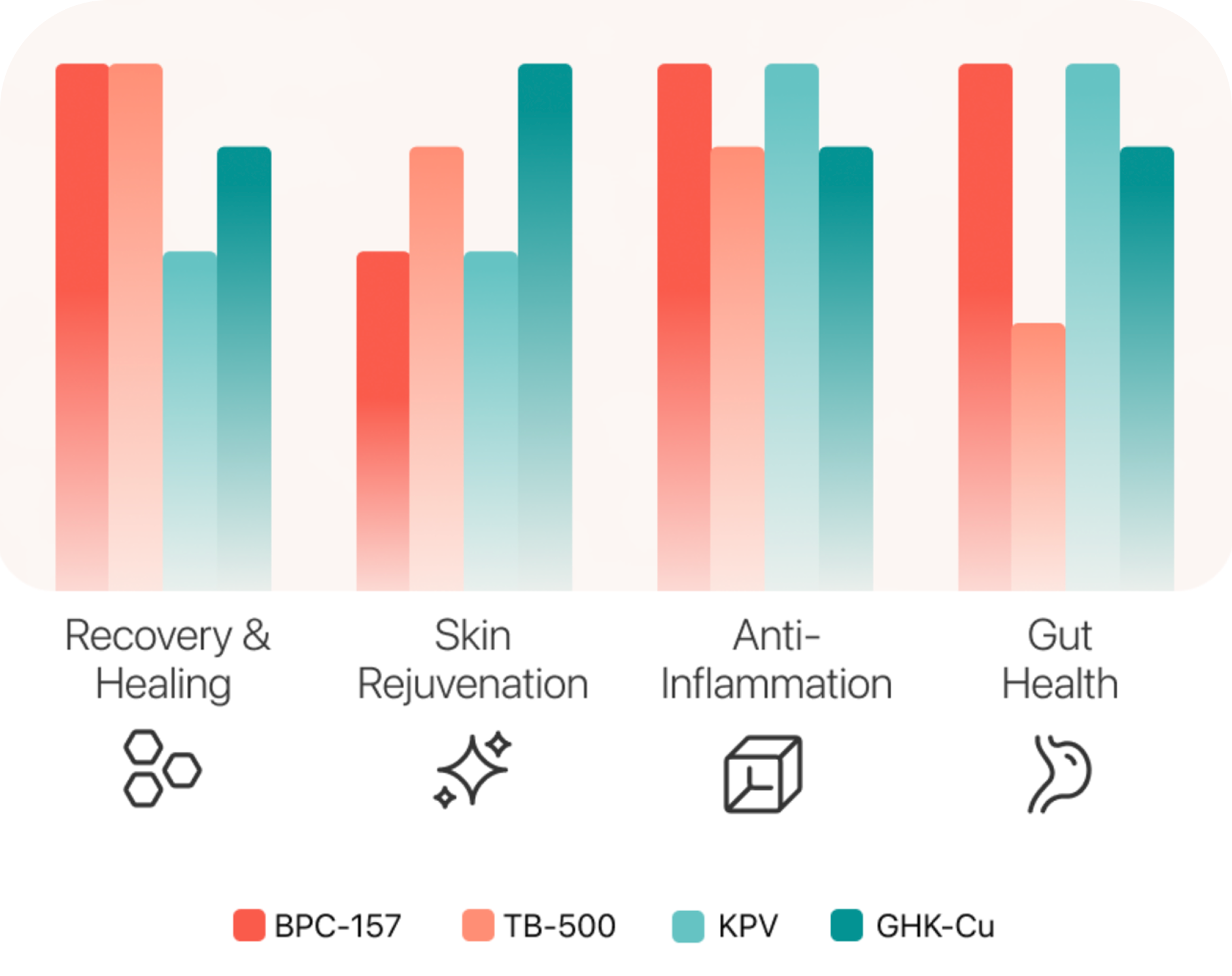
Each specialist evaluates their domain, often finds nothing definitive on standard testing, and either prescribes symptom management or reassures the patient that their labs are normal
Fermented foods : Foods like kefir, sauerkraut, kimchi, and kombucha are naturally rich in probiotics, which can help populate the gut with beneficial bacteria