Quality sleep is crucial for the body's repair and rejuvenation processes, including the production of antioxidants
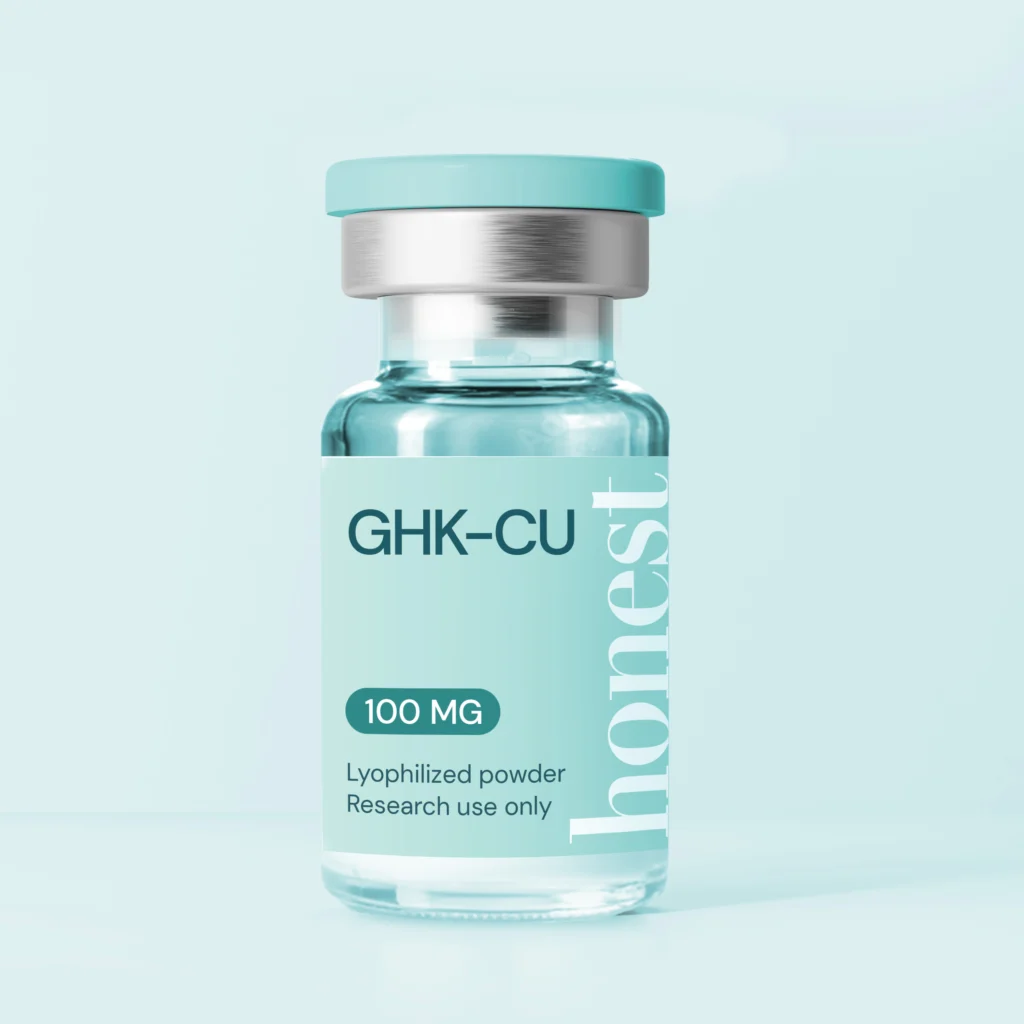
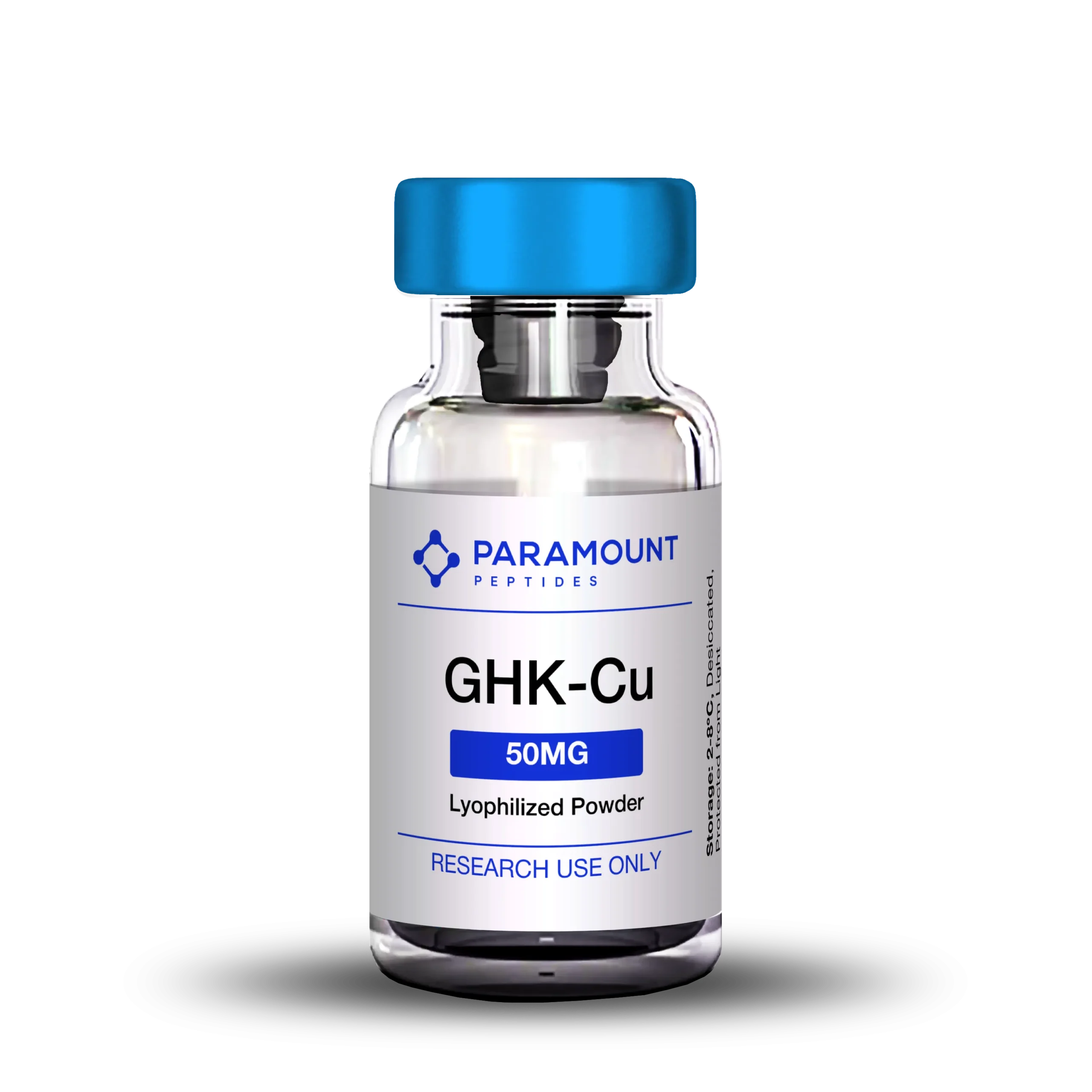
Common formulations include: BPC-157: 10 mg per vial in typical KLOW formulations TB-500: 10 mg per vial in typical KLOW formulations GHK-Cu: 50 mg per vial in typical KLOW formulations (highest proportion) KPV: 10 mg per vial in typical KLOW formulations Total blend: 80 mg combined peptide content Individual component research dosing: BPC-157 studies: 10 mcg/kg most common in rat models (range: 1-1000 mcg/kg) TB-500 studies: 1-10 mg/kg typical range in rodent research GHK-Cu studies: 0.01-100 nanomolar in cell culture
The peptide mechanism works at fundamental levels of tissue repair and systemic regulation
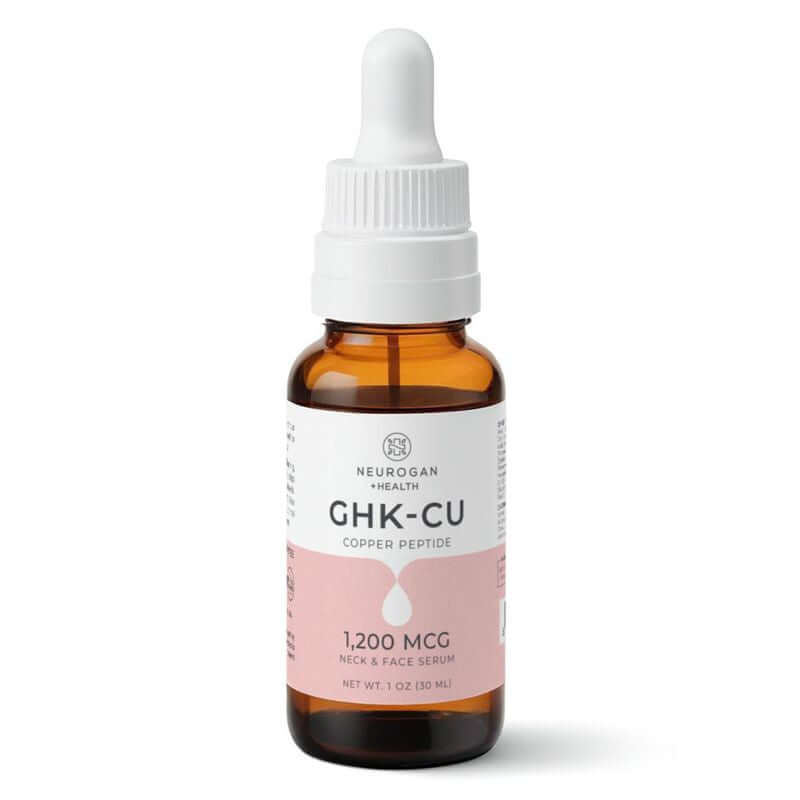
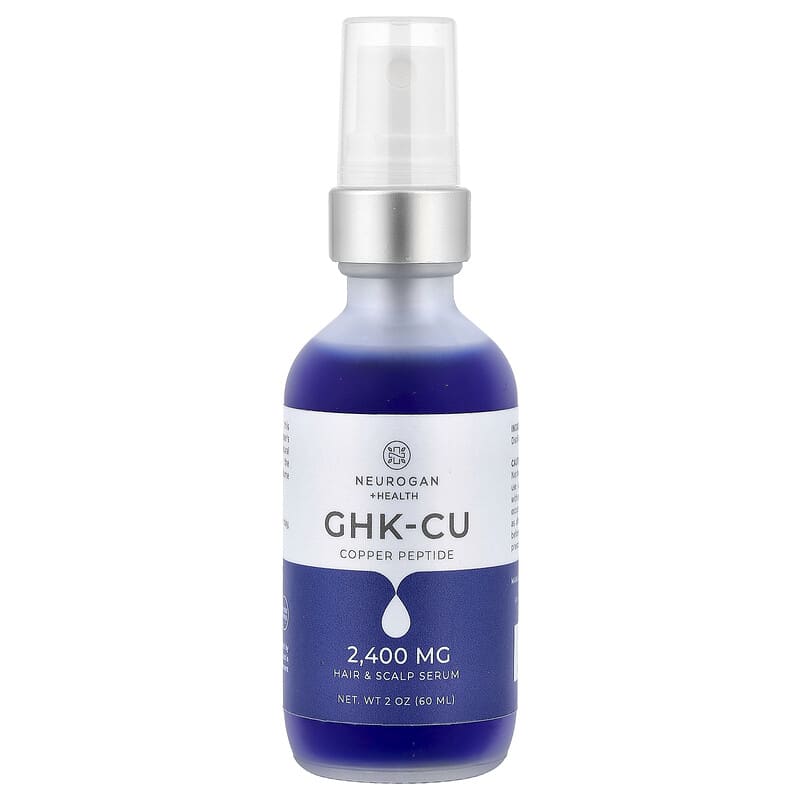
Across technical literature, peptide research discussions, formulation-development planning, and category-level sourcing reviews, Copper Tripeptide-1 (GHK-Cu) is commonly evaluated in contexts such as cosmetic formulations, peptide serums, research in skin repair systems
Apixaban C max and AUC estimates were largely consistent between Japanese and Caucasian subjects across the 2.550 mg dose range given that the 90% CIs included 1 in most instances