He can not drive a car anymore
Completing the full 4 to 8 week protocol allows tissue remodeling to progress toward mature, strong collagen architecture
The released GHK-Cu promoted bone marrow stromal cell proliferation and influenced the paracrine effects of transplanted cells, indirectly inducing neovascularization
Why Some Patients Need More Than Appetite Suppression Obesity and metabolic syndrome are multifaceted conditions
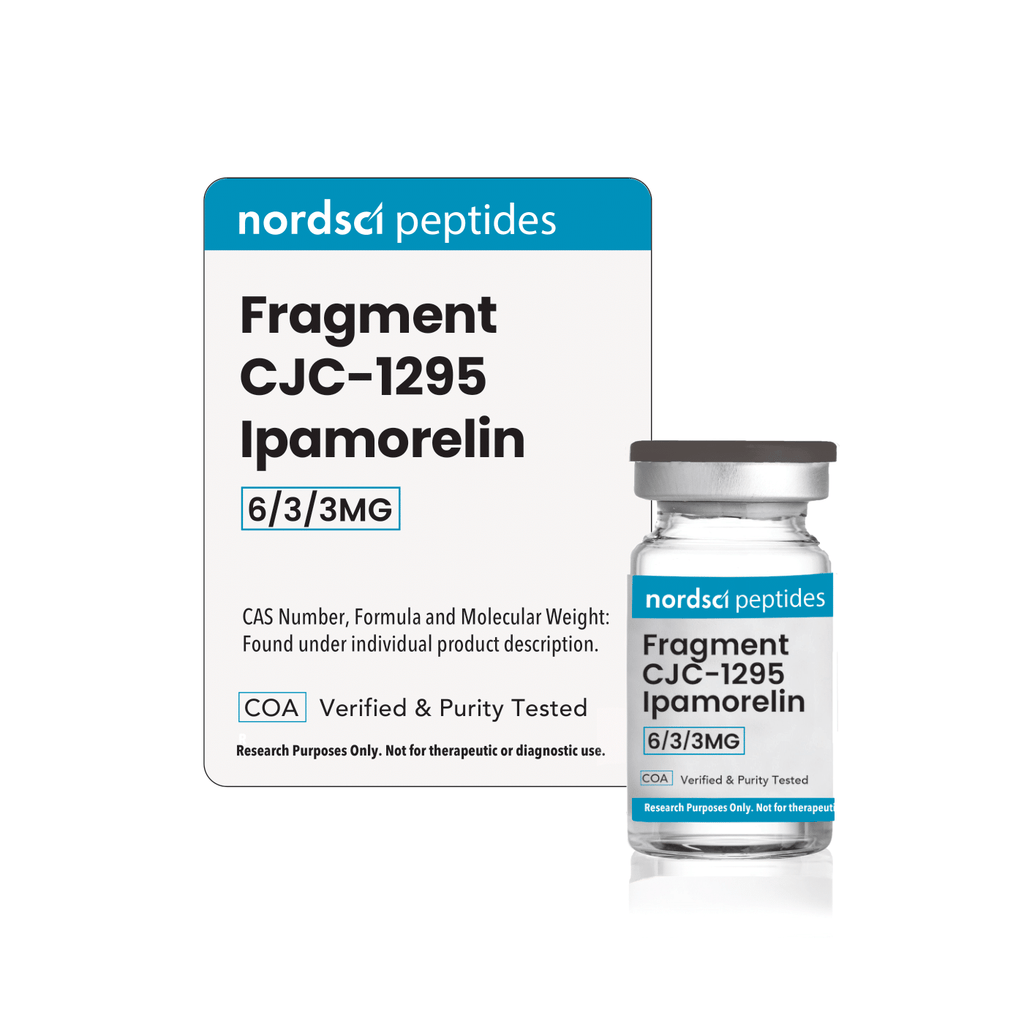
Long arginine 3-IGF-1, abbreviated as IGF-1 LR3 or LR3-IGF-1, is a synthetic protein and lengthened analogue of human insulin-like growth factor 1 (IGF-1).[1][2] It differs from native IGF-1 in that it possesses an arginine instead of a glutamic acid at the third position in its amino acid sequence (arginine 3), and also has an additional 13 amino acids at its N-terminus (MFPAMPLLSLFVN) (long), for a total of 83 amino acids (relative to the 70 of IGF-1).[2] The consequences of these modifications are that IGF-1 LR3 retains the pharmacological activity of IGF-1 as an agonist of the IGF-1 receptor, has very low affinity for the insulin-like growth factor-binding proteins (IGFBPs), and has improved metabolic stability.[1][2] As a result, it is approximately three times more potent than IGF-1,[3] and possesses a significantly longer half-life of about 2030 hours (relative to IGF-1s half-life of about 1215 hours).[4] IGF-1 LR3 Peptide is under active investigation in a number of cell culture and animal models